Mold Remediation in Cumberland Hill, RI
Mold removed from walls, ceilings and framing in your Cumberland Hill property. Call 24/7 to arrange an assessment and cleanup.
- Moisture source checked first
- Containment and HEPA filtration
- Clear scope before cleanup
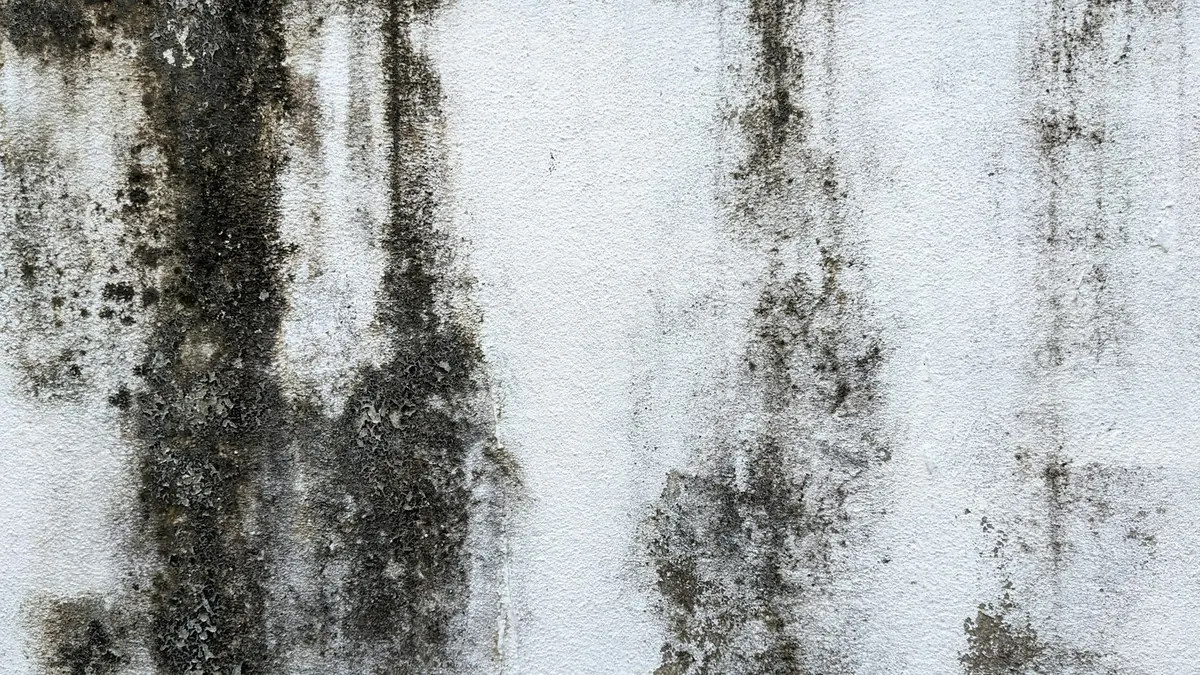
Mold Remediation Services for Cumberland Hill Properties
Your mold cleanup includes ceilings and walls as well as framing and flooring. Decisions about cleaning versus removal follow material assessment. Moisture is traced ahead of the work.
Containment keeps your occupied spaces separate from rooms affected by mold. Cleaning and drying cover sound wood plus non-porous surfaces. Carpet, insulation, drywall and ceiling tiles with mold may require removal.
Your remediation plan identifies moisture repairs and rebuilding separately before surfaces close. A scope documented in writing defines what is removed, how surfaces are cleaned and the final checks.
- Moisture mapping and affected-area assessment
- Drywall removal within containment, with bagged debris
- Retained surfaces cleaned with a HEPA vacuum
- Controlled drying with moisture readings
- Final cleaning and post-remediation verification
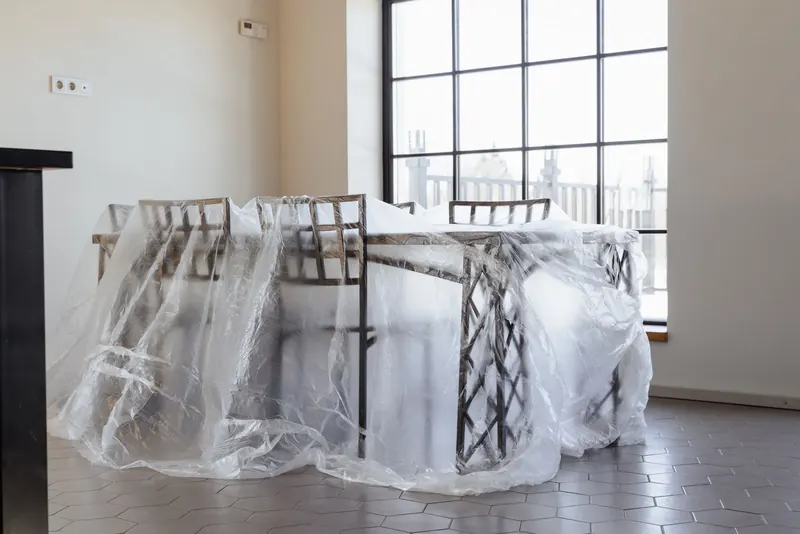
Mold Cleanup in Cumberland Hill: Signs to Notice
Recurring growth, damp materials and persistent odors are reasons to arrange your assessment.
Mold on Several Surfaces
Visible mold growth spreads across drywall, baseboards and nearby furnishings.
Soft or Swollen Wall Materials
Around a leak, you find dampness with soft drywall or bubbling paint.
Mold Returning After Cleaning
Your ceiling or walls develop spots again despite wiping or painting.
Growth After a Leak
You see discolored patches on your ceiling, wall cavity or flooring after water soaking.
Musty Odor Behind Finished Surfaces
Concealed moisture may occur alongside a lasting smell beside a cabinet or wall.
Mold Remediation Process: What Happens Across Greater Providence
Your job moves from assessment through contained removal, drying and verification.
Mold Inspection and Moisture Mapping
A moisture meter maps damp materials in your affected rooms. Mold cannot be identified by a thermal imaging camera; temperature differences can.
Moisture Source and Cleanup Scope
Your remediation plan defines moisture control and separate repairs. The remediation scope sets removal boundaries.
Containment Setup
For a containment barrier, poly sheeting is used. Protective equipment, a HEPA air scrubber and negative air pressure limit mold spores spreading during removal.
Damaged Material Removal
Demolition of damaged materials occurs only within containment. Moldy drywall and other unsalvageable materials are bagged before transport along the protected route.
HEPA Vacuum and Surface Cleaning
Hard surfaces and framing in sound condition receive cleaning with appropriate methods. Antimicrobial treatment does not replace physical removal of growth.
Controlled Drying
Drying equipment consists of a dehumidifier plus air movers when appropriate. Moisture readings track retained materials as the water problem is corrected.
Final Mold and Moisture Checks
Cleaning is verified, along with drying. When specified, clearance testing comes from an independent assessor; required follow-up finishes before containment removal.
Containment Removal and Repair Access
Barriers come down after final checks. Agreed repairs can begin in your cleaned area, while reconstruction stays separate from the completed removal work.
Why Choose Providence Mold Cleanup for Mold Remediation
Clear Scope Before Work
Your separate repairs and removal boundaries are established ahead of the work.
Removal Through Final Checks
Damaged materials are cleared, retained surfaces are cleaned and dried, and final checks precede containment removal.
Contained Mold Removal
Containment and HEPA filtration limit particle spread during your cleanup.
Moisture Before Removal
Leaks and moisture behind recurring growth are traced during your assessment.
Calls Answered 24/7
Start your cleanup anywhere across the metro, day or night, through one number.
Before Mold Cleanup Starts in Providence County
Keep your affected area undisturbed before assessment.
- Avoid wet electrical areas. Stay clear of standing water beside electrical equipment.
- Keep the area separate. Separate people and pets from visible growth and surfaces that are damaged.
- Leave damaged materials in place. Avoid lifting moldy carpet or pulling drywall off.
- Keep suspect HVAC equipment off. Mold may spread around the building if you run a possibly contaminated system, EPA cautions.
- Avoid brushing or sanding. Only scrape or demolish during the contained stage of work.
Mold Remediation Cost for Your Cumberland Hill Property
Access, affected area and its condition shape your cleanup price. Testing is separate, as are rebuilding and moisture repairs, unless your scope includes them. These ranges reflect national costs rather than a quote for your property.
Typical national range, average $3,500
$1,500 to $9,000 per jobSource: Fixr, Mold Remediation Cost (checked 2026-10-23)Rate for professional work above roughly 10 square feet
$10 to $30 per square footSource: Fixr, Mold Remediation Cost (checked 2026-10-23)Mold covering roughly 100 square feet
$1,000 to $3,000 per jobSource: Fixr, Mold Remediation Cost (checked 2026-10-23)What Changes Mold Cleanup Cost in Cumberland Hill
- The affected area plus its cost per square foot
- Local labor rates
- Containment and air filtration
- Access behind walls or beneath flooring
- Needed drying plus water sources still unresolved
- Material removal and disposal
The Price of Your Property Cleanup
These published national ranges are planning figures. Your on-site assessment defines the work and price before cleanup starts, including any separate source repairs or rebuilding.
Call (844) 352-3560 about costMold Remediation Service Area Across Greater Providence
Call (844) 352-3560 to arrange cleanup in Cumberland Hill or nearby communities. One number covers the metro.
Mold Remediation in Locations Near Cumberland Hill
ZIP codes
Answers to Mold Remediation Questions in Cumberland Hill
What is the timeline for mold cleanup in Cumberland Hill?
Your schedule is set after inspection of the affected rooms and materials. Drying framing, taking out carpet and opening cavities in walls each require different amounts of work. The drying stage follows moisture readings. Final checks, along with any separate repairs, shape when barriers are removed and your rooms can be used normally.
Will mold come back after the work?
An unresolved leak or excess humidity can allow mold to return. The moisture source is the starting point for your cleanup, which includes retained-surface cleaning and drying. Necessary water-source corrections are defined alongside removal. Completed repairs and ongoing humidity control help prevent the same damp conditions from developing again.
Does removal include putting your rooms back together?
Replacement paint, cabinets, flooring and drywall are included solely when specified in your scope. Damaged material is cleared during removal, with retained surfaces left clean and dry. Rebuilding begins after verification and required moisture repairs. Before work starts, your plan distinguishes these stages, clarifying what to expect once cleanup finishes.
Which materials need to leave your property?
Porous materials can be hard to clean of growth, so damaged carpet, ceiling tiles, insulation and drywall may need removal. Sound framing, tile, glass and metal can often stay after suitable cleaning and drying. Your assessment defines what comes out based on access to affected surfaces and the condition of materials.
During contained cleanup, can you keep living at home?
Staying may be possible when rooms you occupy are separate from the debris route and the work area. Household needs and shared ventilation, along with available exits, influence that decision. You must relocate temporarily for some work. Your assessment sets access rules ahead of removal, with rooms reopening once required repairs and final checks finish.
Before or after removal, do you require mold testing?
Air sampling is often unnecessary for visible mold, under EPA guidance. Inspection, together with moisture checks, determines the work area. Following removal, containment stays until cleaning and drying have been checked. When specified, clearance testing is carried out by an independent assessor. Indoor mold levels have no federally set limit.
Is the source of moisture corrected as part of cleanup?
The moisture source is located through assessment, which also defines needed corrections alongside cleanup. Repairs to your plumbing, roof and ventilation are included only if specified in your scope. Retained materials are dried and checked before replacement finishes cover them, so an unresolved leak does not remain concealed behind new surfaces.
What factors shape your cleanup cost in Providence County?
Affected square footage, containment, drying requirements, material removal and access all shape your price. The cost cards above show sourced national ranges with their units. The calculation includes more than the cost per square foot alone. Testing, leak repairs and reconstruction are included only when listed in your scope.
Understanding Mold Cleanup and Insurance Coverage in Rhode Island
Homeowners insurance coverage depends on the moisture cause, policy terms, exclusions and deductible. Cleanup and replacement finishes may receive different coverage decisions.
Taking Precautions During Mold Cleanup in Greater Providence Homes
Your cleanup limits spore spread during removal through containment, restricted access and protective equipment.
Mold Color
CDC advises that looking at color cannot tell you mold's risk.
Contaminated Water
Seek professional help for contaminated water or sewage, as EPA recommends.
Cleaning Products
According to EPA, bleach should never be mixed with ammonia or other household cleaners.
Sensitive Occupants
CDC notes greater risk for those with lung disease, weak immune systems or asthma.
Cleanup scope: For an area below about 10 square feet, homeowner cleaning is often possible, EPA says. Larger areas, HVAC systems or contaminated water call for professional help.
Cleaning or Removing Mold-Affected Materials in Providence County
Cleaning and drying preserve your sound surfaces. Unsalvageable porous material is taken out.
Tile, Glass and Metal
- Non-porous surfaces receive cleaning, while materials beneath are checked for concealed damage.
Drywall, Carpet and Ceiling Tiles
- Affected porous materials may need disposal when cleaning cannot remove growth.
Wood Framing and Belongings
- Framing in sound condition often stays. Each of your belongings is assessed separately.
Timing Your Mold Cleanup in Providence County
Your schedule follows removal volume, access and drying progress.
- Access and removal: Containment and removal require more work with enclosed cavities or multiple rooms.
- Drying progress: Drying criteria for retained surfaces are evaluated through moisture readings.
- Verification and repairs: Final checks precede containment removal; rebuilding can extend the time before normal use.
Your Cumberland Hill Mold Odor and Humidity After Cleanup
Your dampness and musty smell are investigated together. Neither paint nor fragrance fixes the source. If the smell returns, arrange another assessment.
EPA advises keeping relative humidity indoors below 60 percent; the ideal range is 30 to 50 percent. Your humidity control helps prevent mold after cleanup.
Understanding Rhode Island Mold Cleanup Requirements
Mold Work Requirements
A statewide mold remediation license in Rhode Island could not be confirmed from an official page. Ask any contractor about their mold training, and check with your city or town about local contractor rules.
EPA Guidelines for Drying
Within 24 to 48 hours, dry your water-damaged areas and belongings to prevent mold growth.
Repair Permits
The demolition and reconstruction work you plan determines permit requirements.
State Mold Information
Your state or local health, housing, or environmental agency can explain rules that apply to the property.
Related Services and Next Steps
Start Your Mold Remediation in Cumberland Hill
Call 24/7 to arrange your assessment. Your cleanup starts with the affected surfaces, moisture source and access to your home.