Mobile Home Mold Removal in Narragansett Pier, RI
Mold removed from affected rooms and accessible underbelly materials in your Narragansett Pier manufactured home. Call 24/7 to start your assessment and cleanup.
- Underbelly and subfloor checked
- Containment and HEPA filtration
- Moisture source addressed first
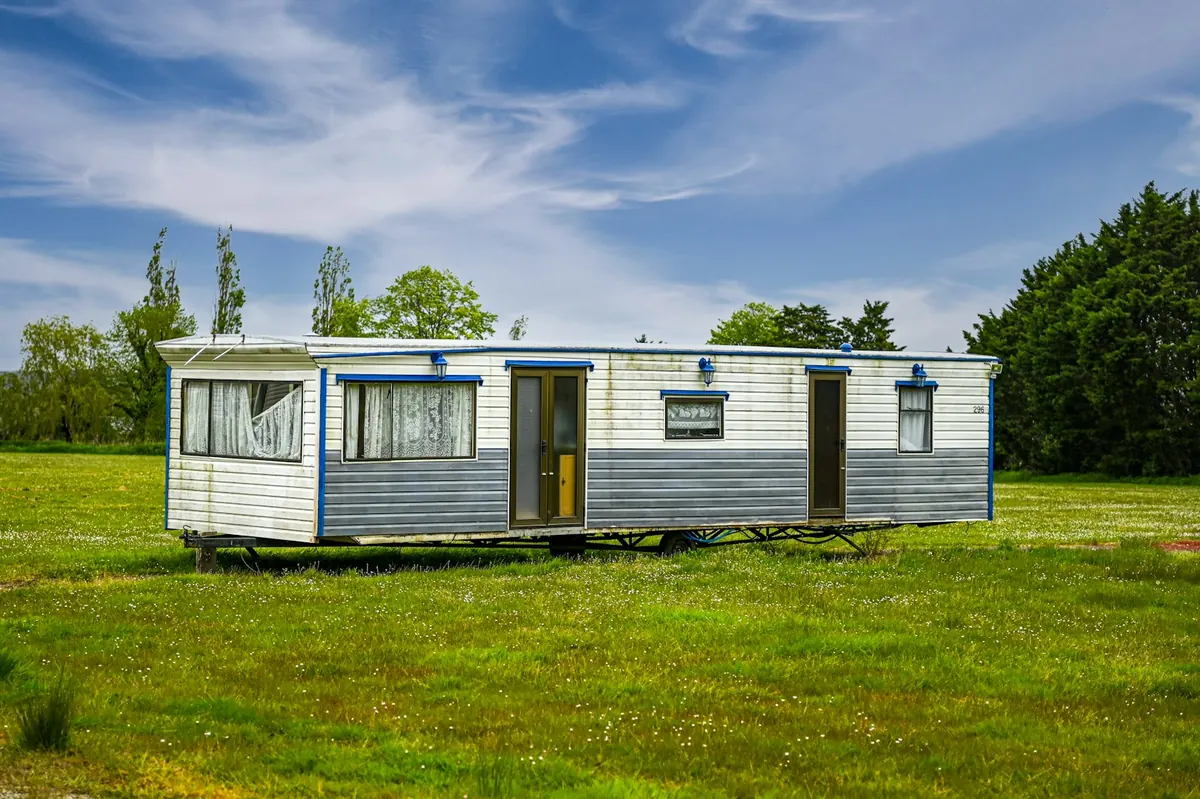
Mobile Home Mold Removal Services for Your Narragansett Pier Property
Your cleanup covers wall panels, ceilings, flooring and the underbelly of your manufactured home. Sound surfaces are cleaned and dried; unsalvageable materials are removed.
In either a double-wide or single-wide home, your mold assessment includes the belly board under the floor. Inspection follows moisture around accessible HVAC ducts, plumbing, window areas and openings in the roof.
Your written plan specifies the removal area and contained entry, with repair work defined separately. Wall mold may mean opening affected panels. Checks beneath your floor assess its covering, insulation and subfloor.
- Wall panel and ceiling cleanup
- Subfloor and framing cleaning
- Affected underbelly insulation removal
- Moisture Assessment Around Ducts and Piping
- Removal Within Containment, Then Final Drying Checks
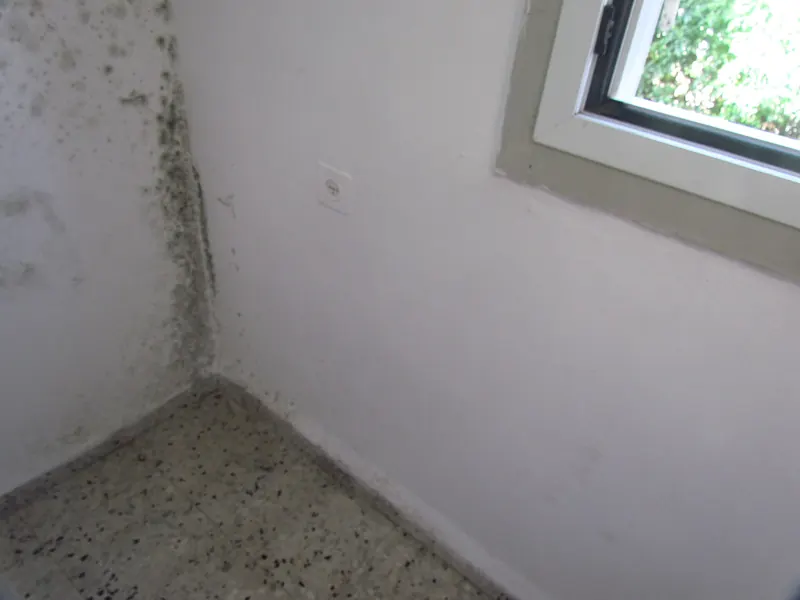
Signs You Need Mobile Home Mold Removal
Hidden damage may be behind your wet insulation, soft floors or growth that returns.
Sagging Underbelly Covering
Dripping below your home, visible rips or insulation hanging down call for an assessment of enclosed materials.
Spotted Areas on Your Mobile Home Ceiling
Near roof openings, spreading discoloration or visible mold growth may occur with a roof leak.
Musty Smell Near Floor Registers
Persistent odor near an HVAC duct or floor opening can accompany concealed dampness beneath the living space.
Damp Mobile Home Walls
Concealed moisture from a window leak may be indicated by finishes peeling or panels swelling beneath windows.
Soft Mobile Home Floors
Near fixtures, softness and lifted floor coverings may occur alongside a wet subfloor or plumbing leak.
Your Mobile Home Mold Removal Process
Cleanup tracks dampness through cavities that can be reached. Your containment stays up until final checks are complete.
Mobile Home Assessment
Damage and access open the conversation when you call. Damp materials are mapped using a moisture meter; temperature differences appear on a thermal imaging camera, which cannot identify mold.
Moisture Source and Scope
Assessment covers ventilation, leaks and moisture beneath the floor. Repairs to the moisture source, including any vapor barrier work in the crawl space, are distinct from cleanup in your scope.
Work Area Containment
A containment barrier is built with poly sheeting. Protective equipment, negative air pressure and a HEPA air scrubber limit dust and mold spores during removal.
Damaged Material Removal
Affected insulation, unsalvageable panels and damaged flooring are removed as needed. Debris is bagged within containment; belly board openings follow the assessed area.
Cleaning Retained Surfaces
A HEPA vacuum is used on sound framing and subfloor, along with surface cleaning. Antimicrobial treatment cannot substitute for cleaning; non-porous surfaces undergo cleaning and drying.
Controlled Drying
A dehumidifier and air movers support drying after removal and cleaning. Before replacement materials enclose the area, sources are corrected; moisture readings monitor drying progress.
Verification and Containment Removal
Complete cleaning and drying plus agreed post-remediation verification before containment removal. An independent assessor performs clearance testing when specified, before replacement materials enclose the area.
Why Consider Providence Mold Cleanup for Mobile Home Mold Removal
Mobile Home Moisture First
Before cleanup starts, your assessment identifies water entry on both sides of the floor.
Clear Scope Before Removal
Your scope specifies separate repairs, access to the underbelly and removal before any work starts.
Contained Work With HEPA Filtration
Containment, along with filtration, is selected to fit your affected area and debris path.
Removal Through Final Checks
Damaged insulation comes out; sound surfaces get cleaned and dried; verification is completed before containment removal.
Calls Answered 24/7
Day or night, you can begin manufactured home cleanup throughout the metro by calling one number.
Preparing for Mobile Home Cleanup in Washington County
Avoid disturbing your underbelly or affected rooms while awaiting assessment.
- Leave panels and belly board intact. Avoid pulling insulation down or opening cavities.
- Keep away from soft flooring. Keep away from damaged walkways and electrical equipment that is wet.
- Exclude People From the Affected Area. Do not let pets or children near visible growth.
- Avoid spreading particles. If you suspect mold contamination, EPA advises leaving your HVAC system off.
- Arrange prompt drying. EPA recommends preventing mold growth by drying water-damaged items and areas within 24 to 48 hours.
Your Mobile Home Mold Removal Cost in Narragansett Pier
Your price depends on affected materials and access beneath the floor. Fixr lists general remediation ranges here, rather than prices specific to manufactured homes.
Typical national range, average $3,500
$1,500 to $9,000 per jobSource: Fixr, Mold Remediation Cost (checked 2026-10-23)Areas Larger Than About 10 Square Feet: Professional Rate
Per square foot: $10 to $30Source: Fixr, Mold Remediation Cost (checked 2026-10-23)Mold Across About 50 Square Feet
$500 to $1,500 per jobSource: Fixr, Mold Remediation Cost (checked 2026-10-23)Your Mobile Home Cleanup Cost: What Affects the Amount
- Affected square footage
- Rebuilding, Testing and Moisture Repairs Listed Separately
- Containment, cleaning and drying equipment
- Insulation and damaged panel removal
- Under-floor clearance and skirting access
Your Manufactured Home Cleanup Price
These published national ranges are planning figures. Your on-site assessment defines the work and price before cleanup starts, including any separate source repairs or rebuilding.
Call (844) 352-3560 about costMobile Home Mold Removal Service Area Across Greater Providence
Call (844) 352-3560 to arrange cleanup in Narragansett Pier or nearby communities. One number covers the metro.
Mobile Home Mold Removal in Locations Near Narragansett Pier
ZIP codes
What People Ask About Mobile Home Mold Removal in Narragansett Pier
Must you remove the entire underbelly or floor?
Removal is based on damage assessment. You may be able to clean and dry sound subfloor and framing. Removal may be necessary for moldy insulation, deteriorating flooring and damaged panels. The belly covering opens as needed for access, and replacement plus structural repairs are set out separately in your scope.
Should testing take place before or after your manufactured home cleanup?
With visible mold, air sampling is frequently not needed according to EPA guidance. Moisture checks and inspection establish your affected area. After removal, cleaning and drying are checked before containment comes down. If specified, an independent assessor carries out clearance testing. No federal limit exists for the level of mold indoors.
Will damaged belly covering and leaks also be repaired?
Cleanup planning also identifies moisture issues and necessary repairs. Your scope must list plumbing, roof work, insulation replacement and belly covering repairs for those tasks to be included. Repairs are defined ahead of removal; new materials enclose the under-floor space only after drying and verification finish.
What affects mobile home mold remediation cost in Washington County?
Your price follows affected area, under-floor access, insulation volume and material condition. The cost cards show general national ranges with sources and units. Independent testing and repairs can cost extra, as can replacing finishes. Your price and the scope of work are explained before starting.
What is the timeline for mobile home cleanup in Narragansett Pier?
Your schedule follows assessment of affected rooms, underbelly access and material condition. Tight clearance lengthens removal, while a damp subfloor may take extra time to dry. Moisture readings direct that work. Your reopening date is also shaped by the repair work and final checks.
After your mobile home is cleaned, might mold grow again?
If dampness stays, mold can come back. Your assessment traces leaks, condensation and dampness beneath the floor before cleaning begins. Correct sources and finish drying before installing replacement materials. Continued moisture control after cleanup includes ensuring that roof repairs, window repairs and plumbing repairs stay sound.
Is staying in your manufactured home possible during cleanup?
Staying may be possible when your occupied rooms are kept apart from containment and the route for debris. A tight layout or shared ventilation, along with possible utility interruptions, can make remaining impractical. Before removal starts, your assessment determines limits on access and whether temporary relocation is needed.
Mobile Home Cleanup and Insurance in Rhode Island
Your policy terms, deductible, exclusions, mold limits and the reason for moisture determine coverage. Decisions may differ for leak repair, cleanup and materials used to rebuild.
Mobile Home Mold Safety Across Greater Providence
Containment with restricted access reduces disturbance beneath your floor and inside affected rooms.
Mold Color
According to CDC, you cannot judge mold risk by color.
Sensitive Occupants
Mold may trigger symptoms of allergies and asthma for some people, CDC notes.
Mobile Home Floor Condition
Before people or equipment enter, a soft subfloor needs assessment for repairs.
Underbelly Access
Skirting, low headroom and utilities nearby influence access underneath your home.
Cleanup scope: Homeowner cleanup is often possible below about 10 square feet, EPA says. HVAC systems, mold from sewage or contaminated water, and larger areas warrant professional help.
Mobile Home Materials Cleaned or Removed in Washington County
Your materials stay or are removed according to their condition.
Sound surfaces
- Sound framing and subfloor may be cleaned and dried, along with intact glass, tile and metal.
Damaged porous materials
- As needed, moldy insulation comes out with unsalvageable flooring and damaged panels.
Underbelly and finishes
- Replacement follows drying; damaged structural floor sections and damaged belly covering need assessment for repair.
Mobile Home Cleanup Timing in Washington County
Drying and repairs shape your schedule, along with access and removal.
- Access beneath the home: Removal may take longer with skirting and limited clearance.
- Hidden damage: More removal may be needed after affected panels or belly board are opened.
- Drying and completion: Readiness for replacement materials depends on final checks alongside moisture readings.
Mobile Home Odor and Humidity in Narragansett Pier
Moisture checks help investigate your musty smell. Odor by itself cannot mark cleanup boundaries, and adding fragrance leaves the source unresolved.
Keep your indoor relative humidity under 60 percent, with 30 to 50 percent ideal according to EPA. Roof and plumbing leaks still need repair even with a dehumidifier.
Requirements for Mobile Home Cleanup in Rhode Island
Mobile Home Work Requirements
A statewide mold remediation license in Rhode Island could not be confirmed from an official page. Ask any contractor about their mold training, and check with your city or town about local contractor rules.
Repair Permits
The structural, electrical or plumbing work involved determines permit requirements.
EPA Drying Guidance
To prevent mold growth, dry areas and items damaged by water within 24 to 48 hours.
State Mold Information
Your state or local health, housing, or environmental agency can explain rules that apply to the property.
Related Services and Next Steps
Start Your Mobile Home Mold Removal in Narragansett Pier
Call 24/7 to arrange your assessment. Your cleanup starts with the affected surfaces, moisture source and access to your home.